





Ransomware case study glossary
By  Aly McDevitt2022-02-02T13:00:00

The field of cybersecurity features a growing list of terminology to describe the many forms, channels, and motivations behind cyberattacks and hacking culture. Learn further definitions for some key terms featured throughout the ransomware case study.
THIS IS MEMBERS-ONLY CONTENT
You are not logged in and do not have access to members-only content.
If you are already a registered user or a member, SIGN IN now.
Related articles
-
 Training
Ransomware Attack: A scenario-based immersive learning
Take this self-directed, interactive immersive study of a fictional cyber event based on real-life scenarios to deepen your understanding of the importance of crisis management planning and put you in the shoes of a compliance leader during a ransomware attack.
-
 News Brief
Former bank CEO pleads guilty in Venezuela-linked fraud and sanctions violations
A former bank chief executive has pleaded guilty in a U.S. federal court to charges tied to a multimillion-dollar fraud and sanctions evasion scheme linked to Venezuela. This follows the U.S. removal of Venezuelan President Nicolás Maduro from the country, and has opened up the country for trading oil and ...
-
 Article
Gavin Proudley, SVP Risk & Compliance at Dow Jones, on compliance challenges from divergent rules and geopolitics
Diverging global rules, sanctions, and tariffs being “weaponized,” and more have made compliance complex even before the U.S. strikes on Iran. We asked Gavin Proudley, SVP Risk & Compliance at Dow Jones, what this means for compliance managers and how they can stay ahead of shifting geopolitics and tighter ...
More from Case Studies
-
 In-depth report
Inside a Dark Pact: A timeline of events
Amid Syria’s descent into civil war, Lafarge’s quest to keep its $680 million cement plant running led to secret deals with terrorists—and ultimately, a historic U.S. Department of Justice prosecution for aiding ISIS.
-
 In-depth report
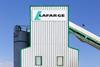
Inside a Dark Pact: Danger of their own making and a critical series of missteps
Paris-based cement maker Lafarge thought it was saving a plant—instead, it built a pipeline to the Islamic State of Syria.
-
 In-depth report
Inside a Dark Pact: Background and evolution of a scheme
Middlemen were used and invoices were falsified, but the trail remained. French cement maker Lafarge’s Syrian cement plant began as a business in a war zone, but it soon spiraled into a revenue-sharing agreement with ISIS that led to historic charges of financing terrorism.