





Lyft fined $10M for not disclosing board member’s role in pre-IPO stock sale
By  Jeff Dale2023-09-18T16:10:00

Ridesharing company Lyft agreed to pay a $10 million penalty to settle allegations by the Securities and Exchange Commission (SEC) it failed to disclose a pre-initial public offering (IPO) stock deal that netted a member of its board millions of dollars.
Lyft agreed to cease and desist from further violations in reaching settlement, the SEC announced in a press release Monday. The stock deal involved approximately $424 million worth of private shares, roughly 2.6 percent of the company prior to its 2019 IPO.
In March 2019, an unnamed Lyft board director set up a deal for a shareholder to sell 7.7 million shares to a special purpose vehicle. The investment adviser who arranged the deal was affiliated with the board director, the SEC said in its order.
THIS IS MEMBERS-ONLY CONTENT
You are not logged in and do not have access to members-only content.
If you are already a registered user or a member, SIGN IN now.
Related articles
-
 News Brief
Skechers fined $1.25M over related person disclosure failures
Footwear company Skechers agreed to pay $1.25 million to settle charges by the Securities and Exchange Commission of failing to disclose payments to executives’ family members.
-
News Brief
SEC orders AssetMark to pay $18M in conflicts of interest case
Investment adviser AssetMark agreed to pay more than $18 million to settle allegations by the Securities and Exchange Commission regarding undisclosed conflicts of interest involving its affiliate’s cash sweep program and its revenue-sharing arrangements with third parties.
-
 Premium
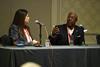
TPRM Summit takeaways: Tech risks, board and audit relationships
The impact of new technologies like generative artificial intelligence on the third-party risk management landscape was among the points of discussion addressed at Compliance Week’s TPRM Summit in Atlanta.
More from Regulatory Enforcement
-
 Article
DOJ makes good on corporate-friendly enforcement policy with Balt resolution
The ink was barely dry on the U.S. Department of Justice’s new corporate enforcement policy (CEP) when the agency announced it would not prosecute Balt SAS for alleged bribery violations.
-
 Article
BoA settles class-action related to its dealings with Jeffrey Epstein
Bank of America has agreed to settle a class-action lawsuit alleging know-your-customer and other failings in its dealings with convicted sex offender Jeffrey Epstein.
-
 News Brief
SEC’s Uyeda: ‘Enforcement is the wrong way’ to handle off-channel communications
The U.S. Securities and Exchange Commission’s Mark Uyeda told an audience of investment advisers that the SEC will no longer prioritize stand-alone enforcement actions for violations of the SEC’s rules on off-channel communications.