




Kanter says DOJ adapting antitrust enforcement for AI
By  Kyle Brasseur2024-06-03T08:58:00
The Department of Justice’s (DOJ) Antitrust Division is examining how its policies and enforcement mechanisms are suited to handle potential issues brought about by the proliferation of use of artificial intelligence (AI).
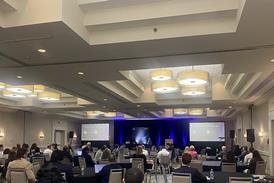
Jonathan Kanter, head of the Antitrust Division, delivered remarks at an AI workshop at Stanford on Thursday, during which he said the agency was “actively examining the AI ecosystem both through our policy work … and through our enforcement of the Sherman Act and Clayton Act.”
“If firms in the AI ecosystem violate the antitrust laws, the Antitrust Division will have something to say about it,” he said.
THIS IS MEMBERS-ONLY CONTENT
You are not logged in and do not have access to members-only content.
If you are already a registered user or a member, SIGN IN now.
Related articles
-
 News Brief
Legends ordered to pay $3.5M, hire compliance officer over pre-merger activity
A hospitality company agreed to pay $3.5 million and appoint an anti-trust compliance officer to settle allegations by the Department of Justice that it engaged in illegal pre-merger activity.
-
 News Brief
DOJ launches task force on anticompetitive practices in healthcare
The Department of Justice’s Antitrust Division created a new task force to examine collusion and monopolies in the healthcare industry.
-
 Premium
Forecasting the DOJ’s AI enforcement priorities
Prudent chief compliance officers should ensure artificial intelligence-related risks are being properly addressed at their businesses considering growing scrutiny being paid to the technology by the Department of Justice.
More from Regulatory Policy
-
 Article
New DOJ fraud division means broad realignment of resources and attorneys
A new Department of Justice (DOJ) division will lead investigations of government fraud, and take over duties—and staff, and funds– currently handled by other DOJ divisions and government agencies, Acting Attorney General Todd Blanche announced.
-
 Premium
Hong Kong wants to know if your bank has a culture problem
The Hong Kong Monetary Authority’s Bank Culture Reform program is in its eighth year. Phase 2 of its misconduct-sharing scheme covers more than 50,000 banking professionals. The shift signals regulators are evaluating whether culture works, not just prescribing rules.
-
 News
NewsFinCEN proposes overhaul of AML rules, ending 2024 risk assessment requirements
A rule overhaul proposed by the U.S. Treasury Department’s Financial Crimes Enforcement Network is designed to reduce compliance burden, which would free up banks from tracking all but the most egregious illicit financial activities.