





Don't face your next compliance challenge alone.
- Get expert news, analysis, and event coverage.
- Engage with compliance leaders and peers on CW Connect.
- Earn CPE credits and explore new opportunities via our job board.
 Sign in
Compliance Week delivers news, research and events. The Ethics & Compliance Initiative’s HQP rating benchmarks the elements regulators and boards actually examine, supported by training and certification. Together, a single membership helps more than 10,000 compliance leaders understand where they stand and demonstrate measurable improvement over time.
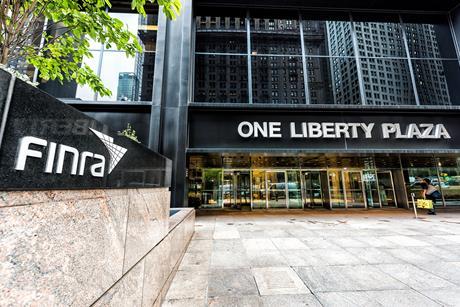
The Financial Industry Regulatory Authority (FINRA) has welcomed artificial intelligence (AI) with open arms—and also caution.

Back for its seventh year, Compliance Week’s Excellence in Compliance Awards seek to honor the CCOs, compliance programs, trail-blazers, industry veterans, mentors and up-and-coming professionals who set the standard for compliance in 2026.

Compliance Week’s 7th annual Inside the Mind of the CCO survey will take a snapshot of what is happening in the compliance profession, but it can’t happen without you. The survey results will deliver insights and benchmarking data to the compliance community. Thanks in advance for your time!
Sign in


















A global network of 30+ renowned leaders across industries.
.
Senior Director, Global Ethics and Compliance
Pearson

VP and General Counsel for Corporate Compliance and Data Privacy, Americas and EMEA
Bridgestone Americas

Director, Legal Compliance, Trade Compliance
Uber

Group Head of Financial Crime Compliance
Marex

Chief Risk and Compliance Officer
NAVEX

VP, Chief Compliance and Privacy Officer
ScionHealth

VP, Head of Compliance Advisory Services
Spark Compliance Consulting
VP, Chief Compliance Officer
Sysco
Senior Director, Global Ethics and Compliance
Pearson
VP and General Counsel for Corporate Compliance and Data Privacy, Americas and EMEA
Bridgestone Americas
Director, Legal Compliance, Trade Compliance
Uber
Former Chief Compliance Officer
Danske Bank
Chief Risk and Compliance Officer
NAVEX
VP, Chief Compliance and Privacy Officer
ScionHealth
VP, Head of Compliance Advisory Services
Spark Compliance Consulting
VP, Chief Compliance Officer
Sysco
 Access compliance news and research anytime
 Get quarterly one-on-one insights from our team
 Connect directly with peers to discuss common issues and initiatives
 Compliance training and certifications